Extended Monetization Notes
Revenue interpretation improves significantly when teams track unit economics over storytelling
metrics. Instead of asking only whether top-line spend increased, ask whether conversion quality,
repeat purchase depth, and retention-adjusted spending all moved in the same direction. If one metric
improves while the others decline, reported growth may be less durable than it appears.
Timing effects also matter. Promotional events can pull demand forward and temporarily inflate period
revenue, then create weaker follow-through in later periods. Without a timing lens, analysts may label
this pattern as sustainable trend growth. To reduce that risk, compare period-over-period behavior with
a broader baseline and include notes on campaign cadence, discounting intensity, and audience segment
mix where available.
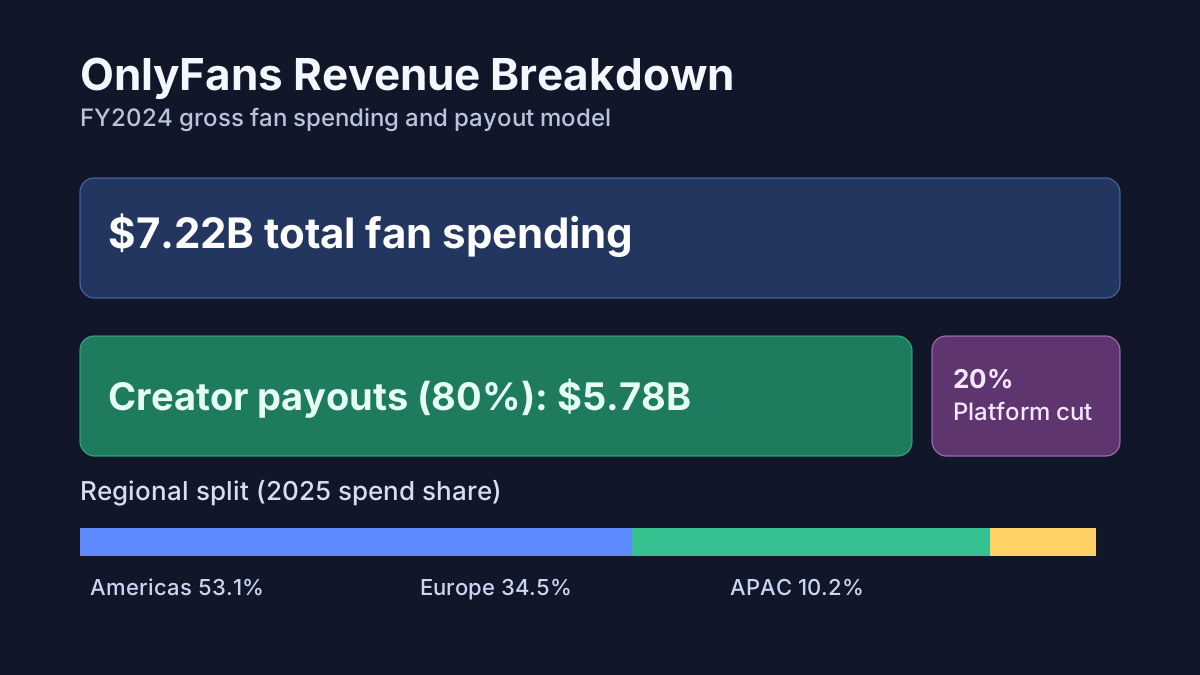
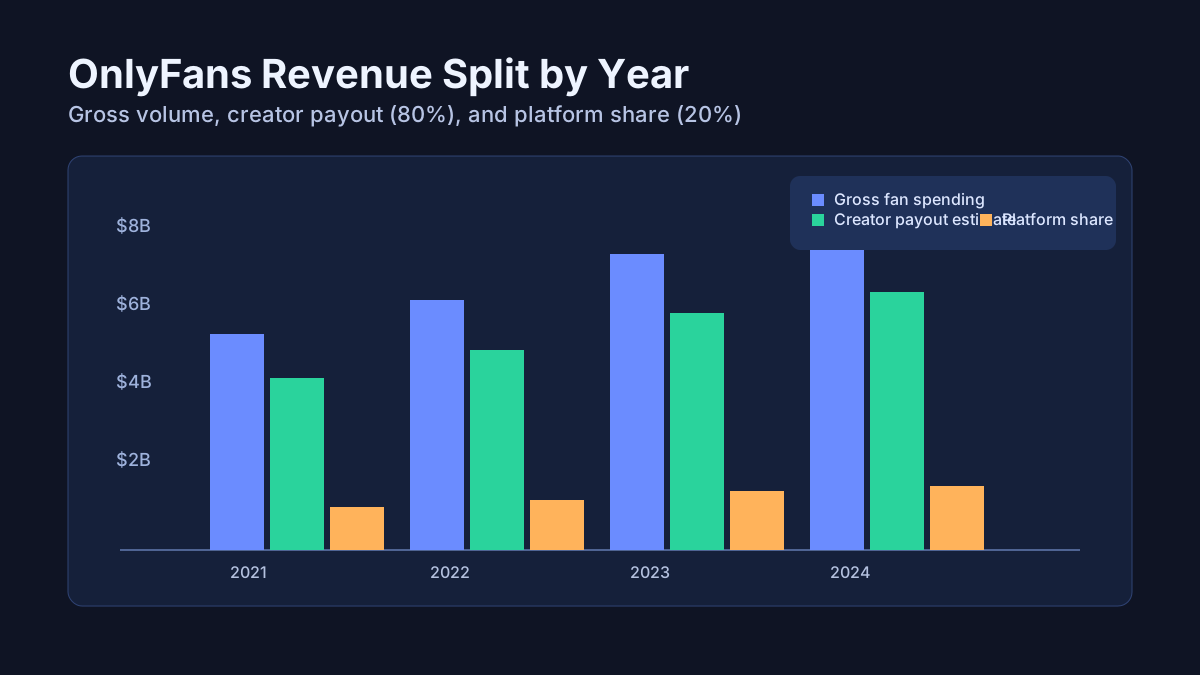
Revenue layer definitions should be carried into every downstream discussion. If a chart uses gross
transaction volume, label it explicitly. If a benchmark uses estimated retained share, note the payout
assumption and its limitations. If a forecast uses blended scenarios, disclose which parameters are
fixed and which are variable. Good disclosure does not weaken analysis; it makes analysis reusable and
auditable.
Another common pitfall is treating platform-level monetization as equivalent to average creator
economics. Platform revenue can grow while creator outcomes remain highly uneven, especially in
concentrated markets. For that reason, this page is intentionally linked to
creator earnings distribution context so readers can
separate aggregate success from typical participant outcomes.
For practical analysis, use conservative, base, and upside scenarios with explicit assumptions about
conversion, repeat activity, and churn pressure. Scenario discipline helps teams avoid overfitting to
one quarter or one viral cycle. It also improves communication quality: stakeholders can discuss which
assumptions changed instead of arguing over unexplained forecast swings.