Extended Research Notes
Statistics are rarely useful as isolated values. A user figure is more useful when read alongside
retention assumptions. A revenue figure is more useful when read alongside payout mechanics. A
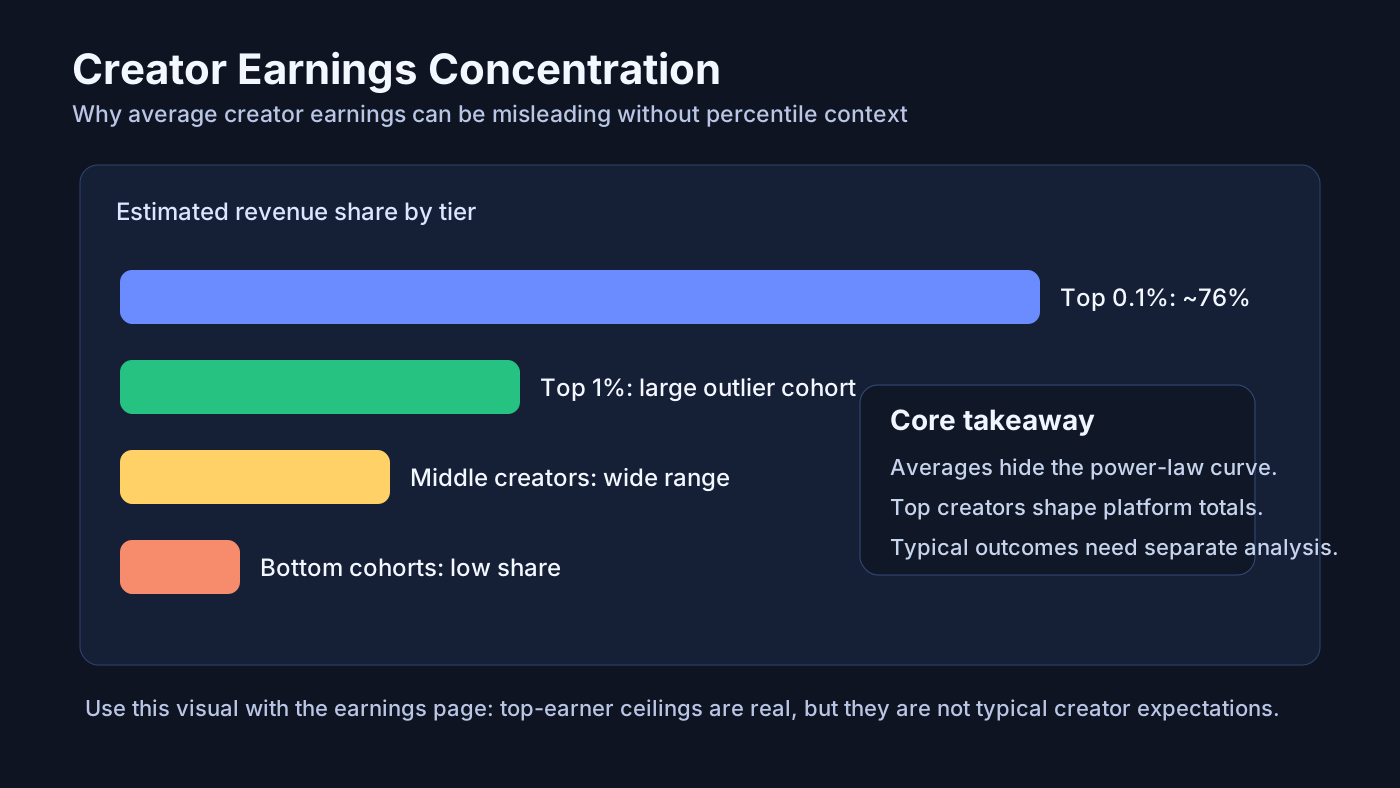
creator benchmark is more useful when read alongside distribution shape and concentration risk.
Reading metrics in relationship to each other reduces the chance of high-confidence but
low-context conclusions.
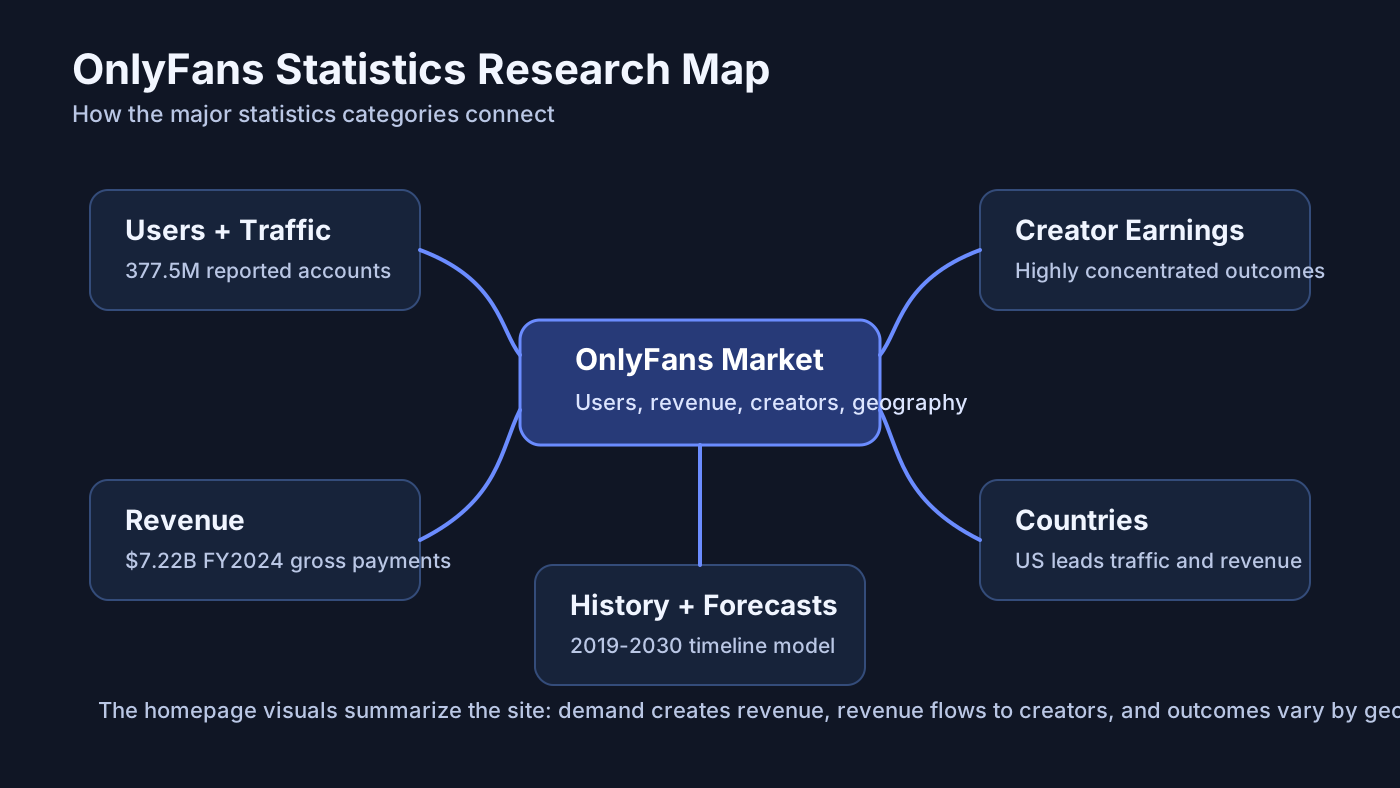
A practical review sequence is: start with users, move to revenue, and finish with earnings. That
order mirrors how platform economics usually work in practice. Demand quality influences monetization,
and monetization quality influences creator outcomes.
We also encourage readers to treat this hub as a decision-support map rather than a single-source
oracle. Start with the page that matches your question, then follow links to adjacent context before
finalizing conclusions. If your question is operational, compare user-side demand indicators with
revenue-quality indicators and creator distribution constraints. If your question is editorial, focus
on scope definitions and source confidence. If your question is strategic, use scenario framing and
test assumptions rather than extrapolating one period indefinitely.
To support responsible reuse, quote exact page URLs and preserve caveat language when citing key
figures. Removing caveats can make a neutral benchmark appear as a guarantee. When possible, include
note text about timeframe and source type so your audience can interpret the number correctly. This
is especially important for high-variance topics such as creator earnings and conversion dynamics where
averages can mask asymmetric outcomes.
If you identify unclear framing or potential errors, we welcome feedback through
Contact. Useful reports usually include the precise claim, the reason it
appears problematic, and supporting references. We review substantive feedback and update pages when
evidence supports a change. This feedback loop is part of our editorial model and helps keep the site
practical for both first-time readers and experienced analysts.